No extra items
Lacrosse is one of the most significant and enduring gifts from Canada's First Nations. With roots that stretch back into the mists of cultural history, the game is a remarkable contribution of First Nations culture to modern Canadian society.
The original First Nations game of lacrosse was characterized by a profound spiritual involvement and played with immense dedication. Participants embraced the highest ideals, seeking to bring honor and glory to themselves and their communities (or "tribes").
For First Nations peoples, the game held deep spiritual significance and was central to their way of life. It was often played for the Creator, serving as an act of gratitude to the Great Spirit for a full life lived in harmony with nature and at peace internally. It was also customary to play games in honor of respected community members, such as elders and medicine persons.
|
|
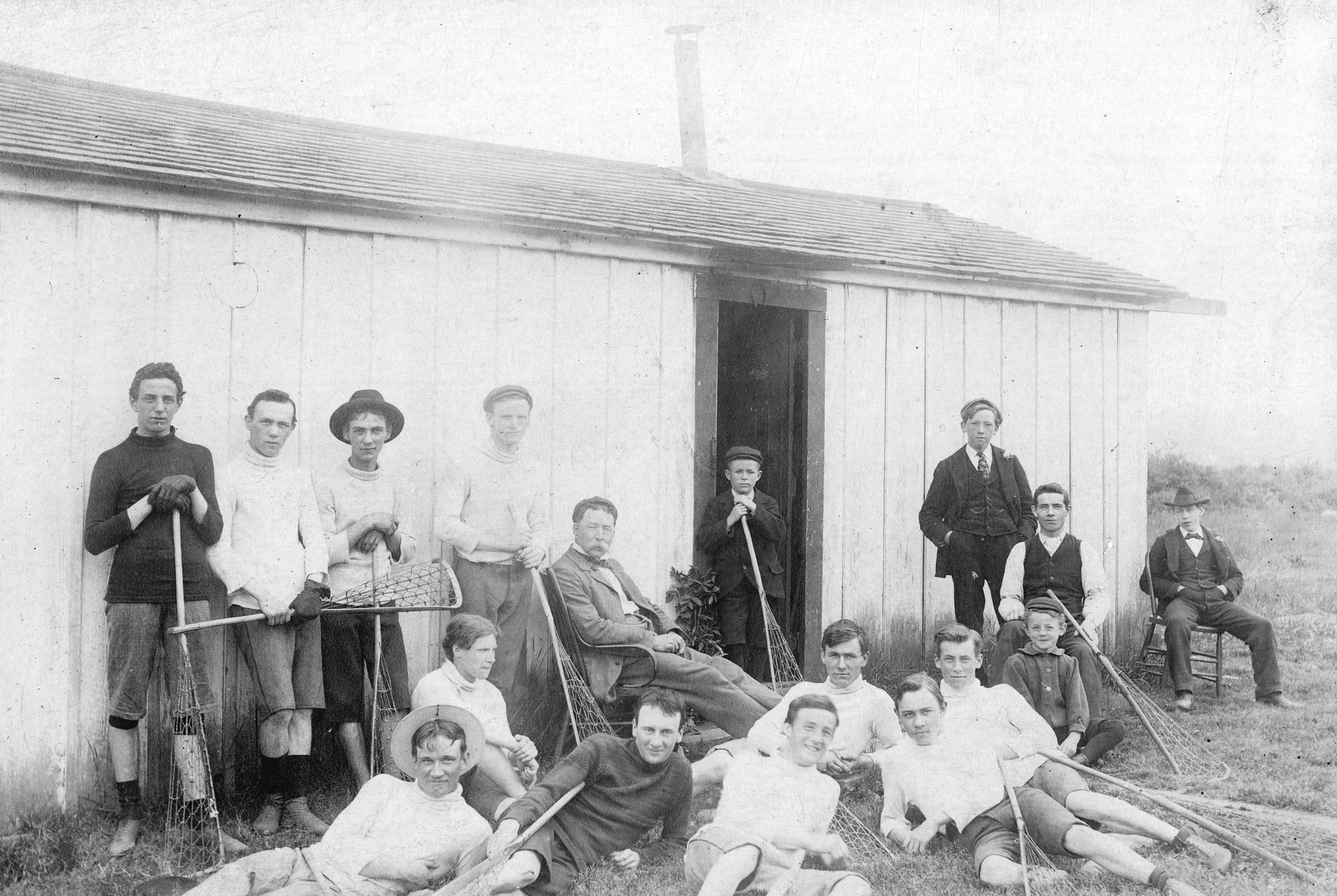
Vancouver Lacrosse HistoryLacrosse in Vancouver began in the late 1880s, shortly after the city’s incorporation, as the game spread west with settlers, railway workers, and strong Indigenous influence from Coast Salish traditions of stick-and-ball games. By the 1890s, Vancouver had become a major lacrosse centre in Canada, with early clubs such as the Vancouver Lacrosse Club, Cambie Street Grounds teams, Vancouver Athletic Club (VAC), and later the New Westminster Salmonbellies, who would become the city’s most famous rival. The Vancouver–New Westminster rivalry quickly emerged as one of the fiercest in Canadian sport, drawing large crowds and defining the era of senior men’s lacrosse in British Columbia through the early 20th century. As professionalism declined after World War I, Vancouver became a cradle for amateur, box, and minor lacrosse, leading to the formation of strong community clubs and ultimately making the city a long-standing development hub that feeds provincial, national, and professional lacrosse programs today. |
Today, lacrosse continues its evolution, transforming from a primarily spiritual observance into the established sport played across every Canadian province. This transition began in the 19th century when European settlers, most notably in Montreal, adopted the game, shortened its duration, and codified the rules, moving it from a ceremonial event to an organized sport.
This evolution has given rise to the two main forms played today:
| Version | Playing Environment | Key Characteristics |
| Field Lacrosse | Large outdoor field | Closest to the original, open-field game. Played with 10 players per side, featuring more strategic, specialized positions and less frequent checking. |
| Box Lacrosse | Indoor arena | Developed in Canada in the 1920s/30s to allow for year-round play. It is faster-paced, played with 6 players per side, and is characterized by a tighter, more physical style of play off the boards. |
| Sixes Lacrosse | Arena sized outdoor field |
Played outdoors on arena size field. Developed for inclusion in the Olympics where it will be played at the 2028 Los Angeles Olympics. In BC this is for U13 teams and above played via tournaments between Box and Field seasons. |